

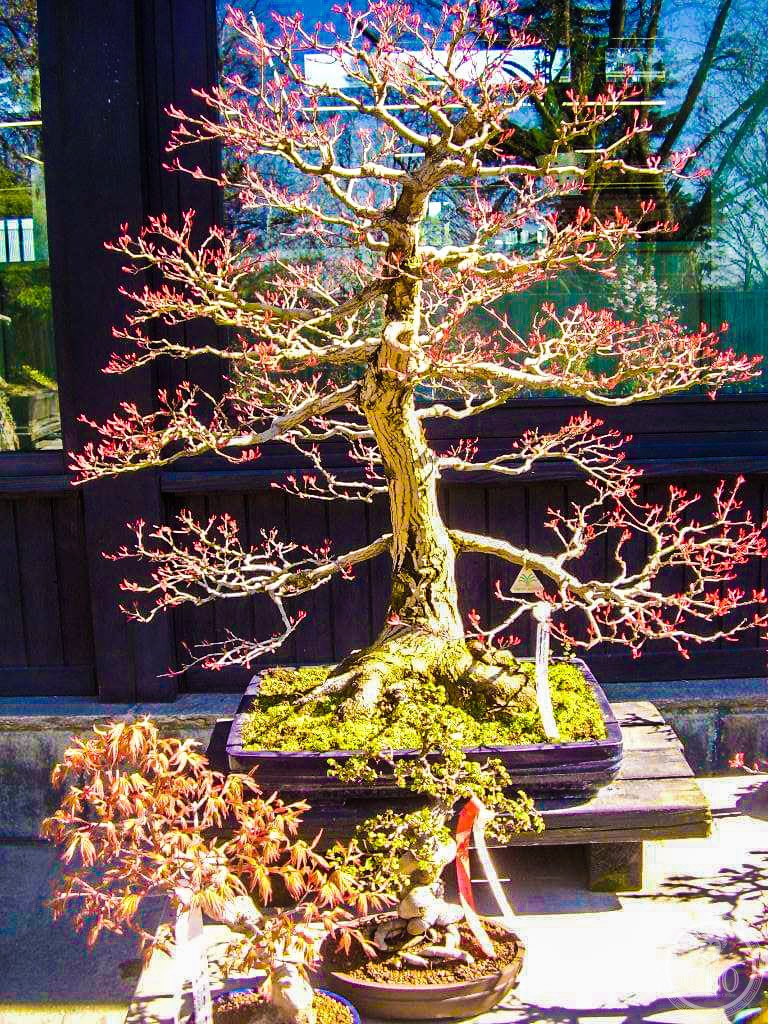
The Crespi Bonsai Museum in Parabiago, near Milan, is Italy’s largest bonsai museum and one of the most significant collections of living bonsai trees in Europe, housing more than 200 specimens including some of the oldest and most valuable examples outside Japan. Founded by Luigi Crespi in 1991 within a landscaped garden complex inspired by Japanese aesthetic principles, the museum is also the headquarters of the Italian Bonsai Union and hosts one of the world’s leading bonsai exhibitions, the Crespi Cup, drawing masters and collectors from across Asia and Europe.
At a glance
- Type
- Specialist museum of living bonsai and Japanese garden arts
- Period
- Founded 1991; oldest trees in the collection estimated at several centuries
- Style
- Japanese-inspired garden design within a Lombard agricultural landscape
- Location
- Parabiago, Metropolitan City of Milan, Lombardy, Italy
- Coordinates
- 45.5706° N, 8.9573° E
Overview
The Crespi Bonsai Museum is unusual among Italian heritage institutions in that its collection is entirely living: every exhibit is a tree, shaped and maintained according to the Japanese art of bonsai. The garden complex outside Milan brings together specimens from across Asia and the Mediterranean, including junipers, Japanese maples, ficus, and pines trained over decades or centuries by master practitioners. The site operates both as a public museum and as a working centre of bonsai cultivation and education.
History
Luigi Crespi began his bonsai collection in the 1970s and 1980s, acquiring exceptional specimens from Japan at a time when the art was little known in Italy. The formal museum opened in 1991 in a purpose-designed garden setting in Parabiago, a town with a long tradition of leather craftsmanship northwest of Milan. The Crespi Cup international exhibition was established to bring the world’s leading bonsai masters to Italy and has grown into a prestigious fixture in the global bonsai calendar. The museum is associated with the Italian Bonsai Union (Unione Italiana Bonsai), of which it serves as the permanent seat.
What you see
The garden displays over 200 bonsai specimens arranged across themed outdoor sections, complemented by a covered exhibition hall that houses the most prized trees. Among the highlights is a Ficus retusa estimated at over 1,000 years of age, considered one of the oldest bonsai in the world. An indoor museum space documents the history and techniques of bonsai cultivation with tools, scrolls, and archival photographs. The landscaping itself, with water features, stone lanterns, and Japanese-style paths, forms an integral part of the aesthetic experience.
Cultural significance
Bonsai represents a centuries-old synthesis of horticultural skill, aesthetic philosophy, and patient craftsmanship that has been recognised by UNESCO as an element of Japan’s intangible cultural heritage. The Crespi collection demonstrates that this living art has taken deep root in Italian culture, and the museum plays a genuine educational role in transmitting the knowledge required to maintain ancient specimens for future generations.
Practical information
- Address
- Via Leonardo da Vinci 35, 20015 Parabiago (MI), Italy
- Admission
- Admission charged; check website for current pricing and group rates
Getting there
Parabiago is on the Milan–Varese railway line (S5 suburban service), approximately 30 minutes from Milano Cadorna station. From Parabiago station the museum is reachable on foot or by local taxi. By car, the site is accessed via the A8 motorway (Milan–Varese) and is signposted from the Castellanza exit.
Sources & resources
- Official website — crespibonsai.it
- Unione Italiana Bonsai — uib.it
- Cultural Heritage Online — further heritage listings for Lombardy
Find it on the map
See this place and what’s around it →📷 Become a Cultural Heritage Online photographer
Share your photos of places: they stay published under your name as the author. The more they're seen, the more you get noticed — and soon a contest will reward the most appreciated photos.
Log in or sign up free to add a photoIs this page about you?
This page is read by travellers and heritage enthusiasts who find it on Google. Tell us how you are connected to this place and we will take it from there.