

Names on the Door: Curating Local Historical Identities
The archive now has a masthead, a corrections policy and an ownership disclosure. The editor on why a quiet catalogue chose to put names on the door — and an invitation to the writers and photographers who should join it.

Latest Places
View all →Sullivan Center (Carson Pirie Scott Building)
Grand Hotel Rimini – Virtual Tour 360°
Empire State Building – Virtual Tour 360°
Former Ford Factory – Memories at Old Ford Factory – Virtual Tour 360°
Party and Entertainment Pavilion – Virtual Tour 360°
Casa del Fascio – Virtual Tour 360°
Florin Court, London
Alger Theater (1935), Detroit, Michigan
Miami Beach Post Office (1937), Miami Beach, Florida
National Tobacco Company Building, Napier
Sassoon House (Fairmont Peace Hotel), Shanghai
Miller Theater (1940), Augusta, Georgia
Jugendstilsenteret (Swan Pharmacy), Ålesund
Trinkkuranlage, Bad Nauheim
From the Magazine
View all →Listing your guided walks on Cultural Heritage Online: what it does, what it costs
What the free listing does for a walk, a visit or an open house,…
How a guest post works here: what you send, what we check, when it goes live, what we will not publish
From the 200-word proposal to the permanent URL: the five steps, the checks every…
Dissemination evidence that stays online: how EU projects publish their results on Cultural Heritage Online
What a dissemination page here gives an EU-funded project: a permanent URL, a byline,…
UNESCO Sites Near Gusuku Sites: Amami-Oshima and Yakushima
Two World Heritage sites lie within 500 km of the Gusuku Sites of the…
UNESCO Sites Near Gunung Mulu: Niah Caves and Kinabalu Park
Two UNESCO sites lie near Gunung Mulu National Park: Niah National Park's Caves Complex…
UNESCO Sites Near Mountain Railways of India: Khangchendzonga and Sagarmatha
Khangchendzonga National Park is the closest World Heritage property to the Mountain Railways of…
Plus Previews
See what Plus includes →Four Wind Sensors on Delos: Building a Conservation Monitor
Delos has no power grid, no residents and nothing that may be drilled. The…
Listing your guided walks on Cultural Heritage Online: what it does, what it costs
What the free listing does for a walk, a visit or an open house,…
How a guest post works here: what you send, what we check, when it goes live, what we will not publish
From the 200-word proposal to the permanent URL: the five steps, the checks every…
Dissemination evidence that stays online: how EU projects publish their results on Cultural Heritage Online
What a dissemination page here gives an EU-funded project: a permanent URL, a byline,…
UNESCO Sites Near Gunung Mulu: Niah Caves and Kinabalu Park
Two UNESCO sites lie near Gunung Mulu National Park: Niah National Park's Caves Complex…
UNESCO Sites Near Mountain Railways of India: Khangchendzonga and Sagarmatha
Khangchendzonga National Park is the closest World Heritage property to the Mountain Railways of…
Standard Previews
See what Standard includes →Listing your guided walks on Cultural Heritage Online: what it does, what it costs
How a guest post works here: what you send, what we check, when it goes live, what we will not publish
Dissemination evidence that stays online: how EU projects publish their results on Cultural Heritage Online
UNESCO Sites Near Gunung Mulu: Niah Caves and Kinabalu Park
Is your venue or institution ready for a permanent editorial presence in a publication that has documented heritage since 1998?
Founding Partner → Editorial Guest Post →Editorial writing on Italian and European heritage.
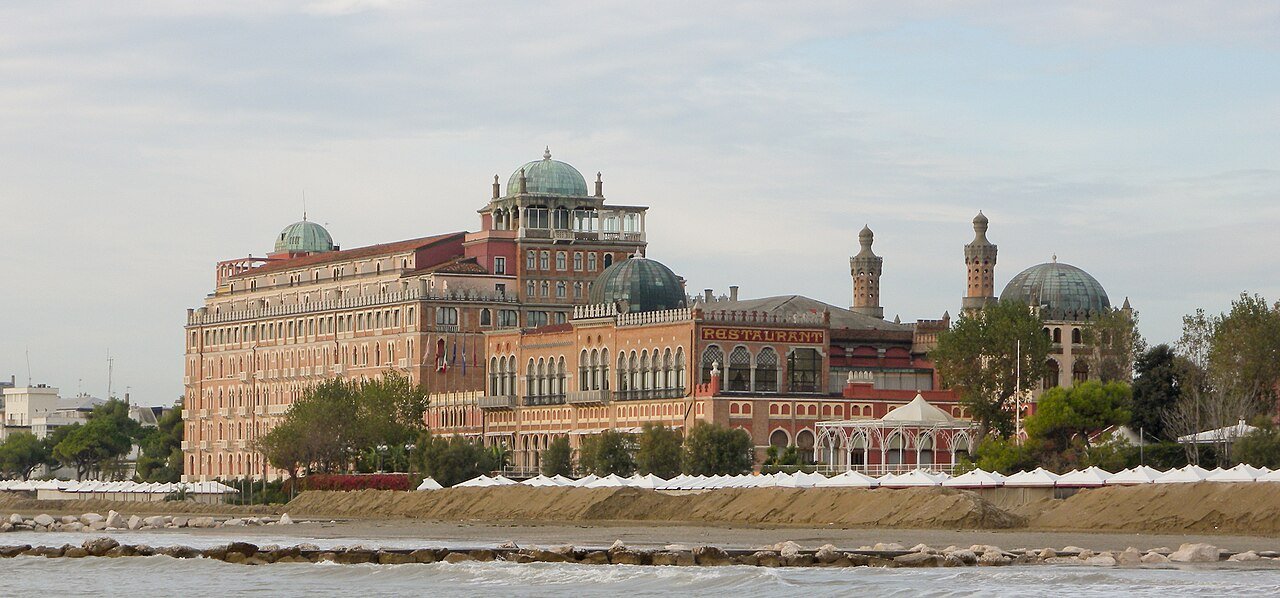
A Grand Tour for Liberty Lovers — From Milan to Palermo
A curated route through ten Italian cities where the Liberty movement left its most refined architectural and decorative signatures, including overlooked palazzi and cafés.
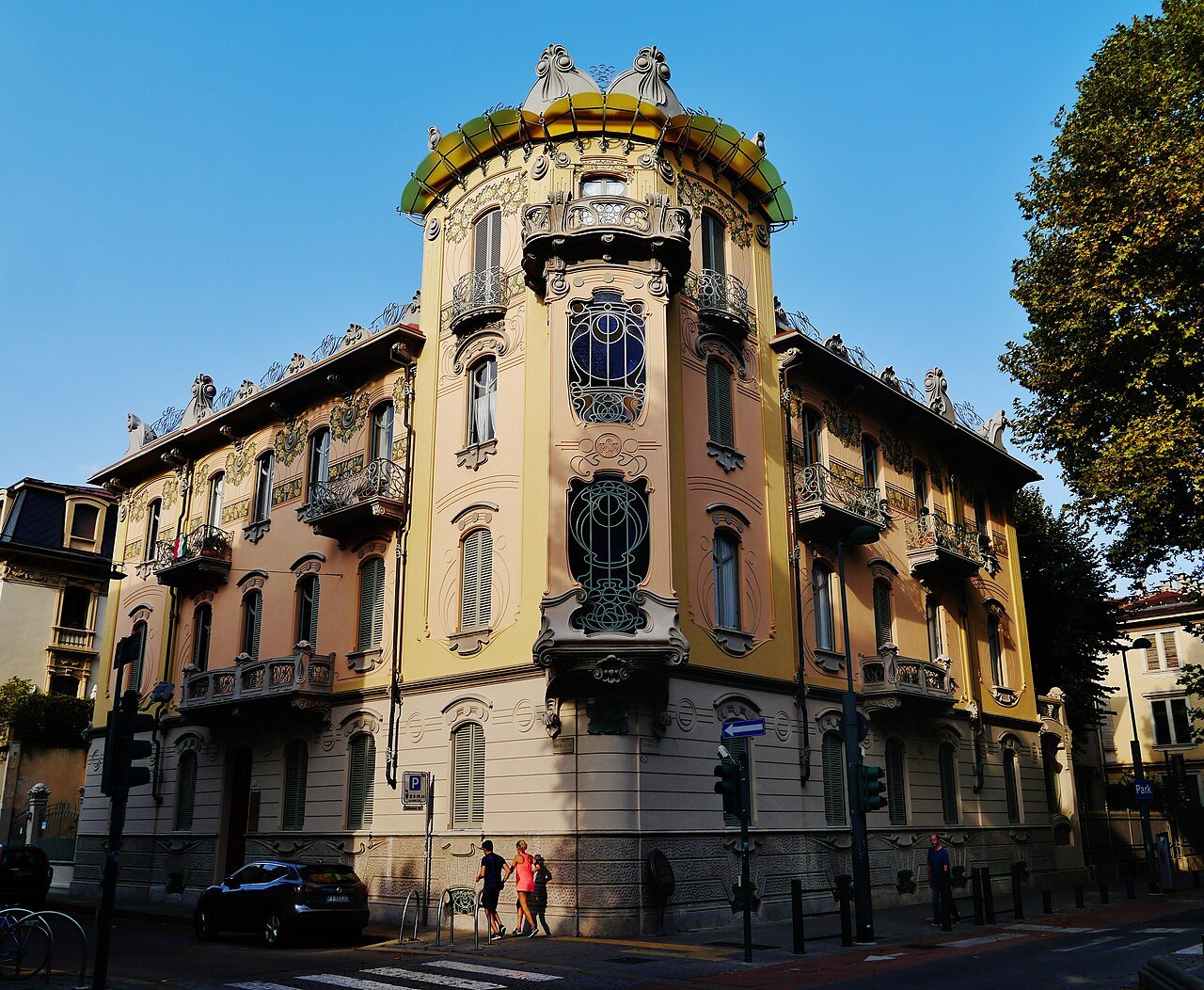
Liberty Italy versus French Art Nouveau: Different Souls, Shared Century
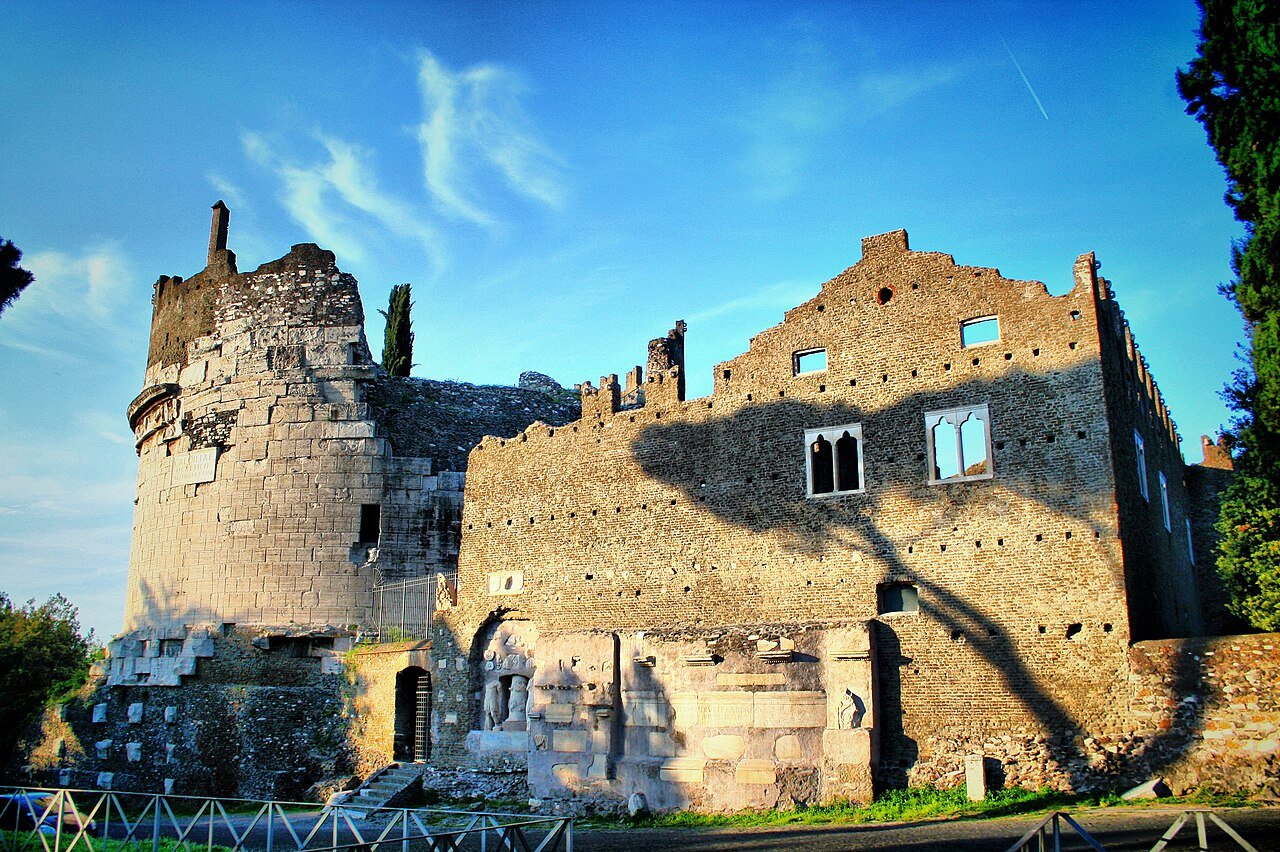
Roman Heritage Off the Beaten Path: Twelve Sites You Will Not Find on the First Page of a Guidebook

Four ways to be inside the cultural ecosystem.
The Magazine
Weekly editorial features on heritage places, restoration, Liberty architecture, and rediscovered routes.
Read articles →Place Cards
Verified, GPS-located heritage venues — connected to nearby places, events, and itineraries.
Explore places →Founding Partners
Historic hotels, galleries, and venues integrated into the editorial fabric. Three tiers, international scope.
View the program →Guest Posts
Editorial publication for cultural operators, artisans, and institutions — documenting heritage since 1998.
Submit a proposal →Heritage venues mapped on a cultural geography.
Every venue connects to nearby places, events, and editorial pieces — a discovery structure built for cultural relevance, not directory pins.
Is your place missing from the map? Add it with a free account: a place card, an event, a photograph. Free, and it takes a minute.